
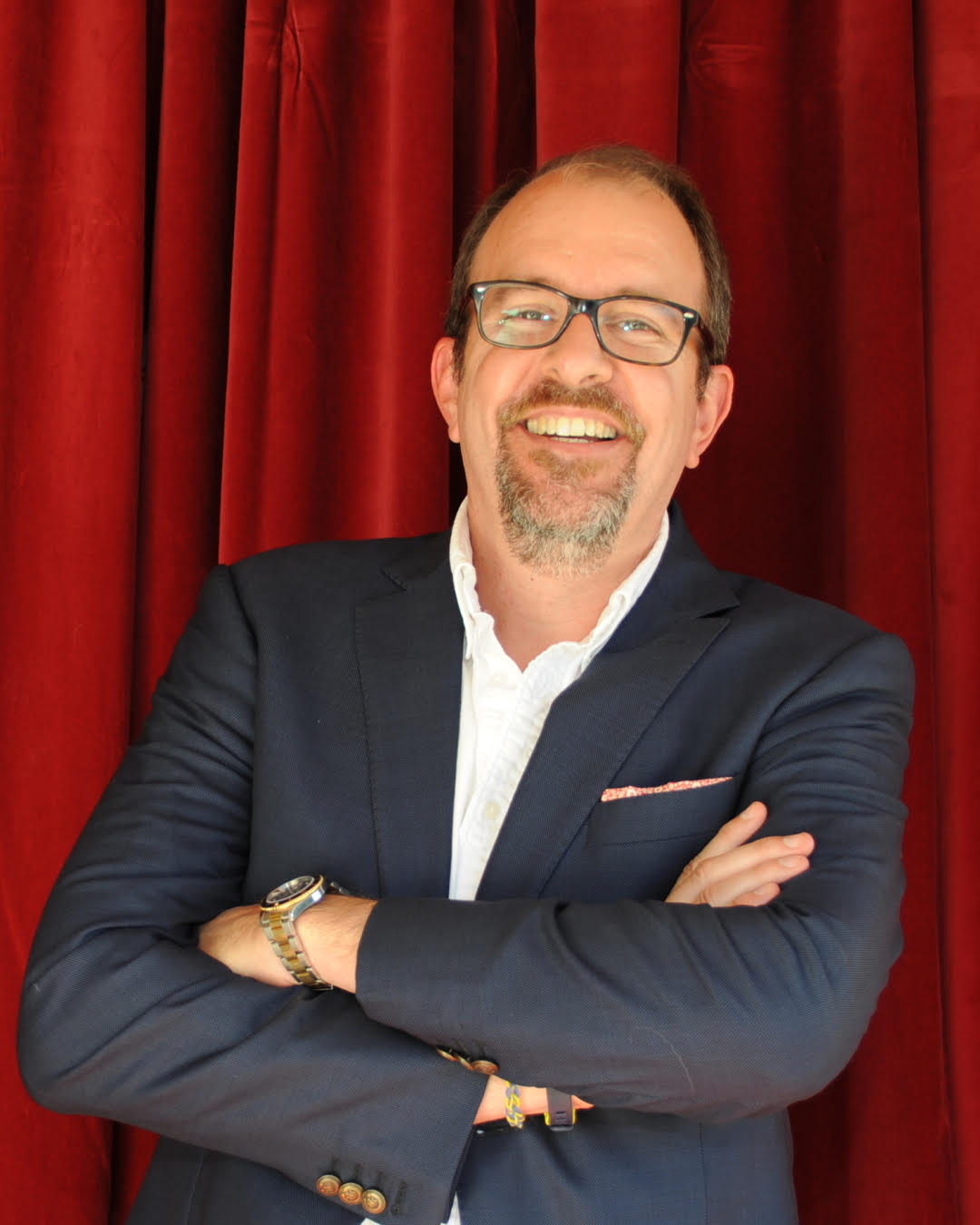
Michael VanDervort (00:00)
hello everyone, I’m Michael VanDervort. I’m here on the Left of Boom show and we’re doing the wrap up episode of the series of shows we call the next 52 weeks about living left of boom and what you should do to get your culture back to a healthy standard after you win a union election. So Phil.
We’ve put a lot of time into this show. It’s good to see you here again and we’re gonna kind of do the big wrap up.
Phil Wilson (00:23)
Yeah, thanks, Michael.
Michael VanDervort (00:24)
to start us out with a, a bow around us. What should people be taken away after all this time?
Phil Wilson (00:30)
I think the main takeaways, Michael, are you, first of all, this is not a one step program or, we we’ve done, I think we’re like on episode 14, but there’s a lot of different steps that you take to turn around a culture that’s gone through something like a union campaign. And, and then even though we say it’s 52 weeks, the idea behind 52 weeks is, that you have a, there’s a legal
sort of point in time that becomes this, this time that a union could organize you again, but you don’t just stop at the end of the year, right? You are turning around your culture, not because you want to have, have a, you know, have success at week 52, you are turning around the culture because you want to create a great place to work in a great environment to work. And that never stops.
Michael VanDervort (01:21)
Right. The 52 weeks is kind of like a get out of jail free card, right? You have one year where you know you’re not gonna have to deal with union organizing or union elections or status quo and any of that kind of stuff. And it’s a key time to get things right, because something had obviously gone wrong prior that got you in that situation. And we’ve covered all the things, communication, culture.
leadership training, preparation, all the different shows that we did before this with our guest experts and some that we did that we recorded between you and I. That’s all out there and hopefully people have watched that. But I guess when I said put a bow around it, I think what you said is the key, right? This is kind of like, this is the way you have to do things from now on. And it may not be as intense, you need to, you can’t let it die down.
Phil Wilson (02:13)
Yeah, yeah, absolutely. It’s by this point, if you have worked on these things over the course of the last year, hopefully they have started to become habits and they’ve started to become things that you are just how you do things now. But you don’t ever like stop. And, then the other thing is, you you, you, you can’t, it’s not just, you can’t stop, but you, you’re evolving everything.
your business is evolving. What’s going on in the economy is evolving. The labor market is evolving. The technology that we have is evolving. So all of these things continue to happen. So if you just did this stuff for the first year and then kind of stopped doing anything new, you’re going to have problems there as well. So you really have to constantly be, I talk about this in the leadership book, but you have to be citing, right?
My my my wife does ⁓ swimming in open water and when you do swimming in open water, you can’t you’re not in a pool with the lane. That’s just like this. You are you could get off course really easily. And so you have to swim a few strokes and then you look up and you’re like, okay, that’s where I’m going. And then you swim some strokes and you look up and that’s where I’m going. Organizations have to do that. You need to make sure
You can, you and you’re not really looking backwards. Like you’ve already swam these strokes going forward. Now it’s just like, okay, where am I now? where do I want to head? And then now I’m going to do those things for a little while. And then I’m going to take a breath and I’m going to look ahead and go, where am I going now? And so on never stops.
Michael VanDervort (03:48)
Yeah, I mean, I you said, I think this is the word you said, it’s a continuous habit. But it’s also got to be kind of like the way you operate that that’s what keeps you between the rails because you’re in a great place. You’ve had a scare, you’ve withstood the challenge, and now you spent a year working hard to fix it. So how do you stay on that course?
Phil Wilson (04:01)
Yeah.
Michael VanDervort (04:13)
Like, like they’ve done, like, like I said, but the previous episodes, we’ve talked about all the steps. Where do, where do they go from here? How, how do you, how do you steer the, how do you do that siting?
Phil Wilson (04:22)
Yeah. Um, it, it’s some of the same things, right? It’s like, okay, let’s reassess how our employees feeling about their, their work place. Uh, how the, how are our supervisors doing? What, uh, what concerns do people have? Uh, all of the, these, these things that you’re assessing during the first year, you want to continue to assess. so when I say you look up and you’re citing, that’s what citing is, right? You’re, you’re, you’re assessing your position.
versus like where, where you were. Okay. So to assess that position, it’s like, I, am I going right or left? You know, do I see the buoy that I’m heading toward? you know, all how am I feeling, you know, as a, as a swimmer, like all these things you’re kind of assessing. And then once you kind of get centered and back the direction you want to go, then you go forward some more. But a big part of that is really just, doing a good job of listening.
asking people, you know, all the questions we’ve talked about, right? What could we do better? Yeah. What should we keep doing? What should we stop doing? But those are all going to change over time. So you can’t just like stop asking that stuff. You need to swim a few strokes and then sight again.
Michael VanDervort (05:35)
Well, and another thing is, ⁓ you know, is over time, right, with people leaving the organization, supervisors being moved into new jobs, you know, just the normal sort of attrition and changeover that we have, you have to provide the tools and the means to make sure that the steps or the strides you’ve been trying to make are in place as well, right?
Phil Wilson (05:54)
Yeah. And I think we even started here, but having a direct relationship with your employees, having the one to one relationship is a privilege that you earn. Okay. So you hopefully by the end of this year have earned the privilege to be able to continue to do that. but you are always earning that privilege, right? You can’t.
You don’t get to your first wedding anniversary and go, all right, I’ve got this mastered. Like I don’t have to ever, you know, change anything going forward. No, it’s like you have to constantly work at it. And that’s what the, that’s what employee relations is. It’s a, it’s a relationship with your team. And if you want to continue to have the privilege of that relationship, be direct, then you have to earn it.
Michael VanDervort (06:42)
Yeah. And that’s hard to do because you’ve got, especially in the environment we’re operating in today, because we have all these distractions and changes and outside forces going on. And yet this, this basic block you can tackling is, is super imperative.
Phil Wilson (06:55)
Yeah, it’s easy to take your eye off the ball. Especially, know, when you’ve come, when a year ago, you know, you were literally in the middle of a, you know, massive cultural, usually very hostile thing happening in your organization. And you have, you have come a year now ahead and you’ve done a lot of the things that we have talked about and that we’ve taught.
over all these episodes and you compare yourself to there and you’re like, wow, this is a much better place. People are happier. We’re not at each other’s throats. You know, there’s a lot of positive things that have happened. It becomes easy to get distracted by, well, okay, we’ve done that part. Now we’ve got to really, you know, work hard this quarter because, you know, things in the economy are tough and we’ve got massive competition and all the other things that happen.
And you have to resist that. You know, it’s like once you’ve once you’ve lost the weight, then what are you going to do to keep it off? And and it’s it’s doing some of the same things, but it’s also again, this sort of assessing. Okay. Well, what’s different now? And then what can I do to respond to that new and different situation?
Michael VanDervort (08:07)
Yeah, one of the other challenges, sort of like the byproduct of attrition and turnover, changes in leadership, is how do you perpetuate this? Like, say you’re the plant manager and I, okay, I did this, yay me. I’m moving on now at some point, probably. How do you leave these seeds healthy and growing?
Phil Wilson (08:14)
Mm-hmm.
Mm-hmm.
Right.
great practical example, right? Is, look, if you do a great job of this and you turn around your operation, you probably are going to get moved because you have done a really hard thing and you’ve created a great culture in a place where it wasn’t. And, and that’s valuable, right? So it’s almost more likely that that’s going to happen if you are able to accomplish this and.
Michael VanDervort (08:49)
Yup.
Phil Wilson (08:51)
So how do you sustain it? Well, you sustain it by it’s not just you. So it’s not just the, the plant leader, the culture. We’ve talked about a number of different episodes, but culture is really what that first line leadership group and their relationships with their team. And what have we done to invest in them and build them up? Even if upper managers leave, those folks are still there. Now those folks also.
will be promoted, right? They’re going to get into a middle management position and maybe one day be the plant manager. So then it’s the same thing. Now, what are we doing to make sure that the new leaders are also creating this same direct relationship culture that, you know, we may have created now years before. So it’s, it’s that again, culture is just the way that we act toward each other. And you always have to be on the lookout for.
Are we acting the way that we say that we’re going to act? If I see somebody that is acting counter to the environment that we’re trying to create, are they called out? uh, you know, what, what are we, and then, you know, what, what do you allow you teach? Right. So what behavior are we tolerating that is maybe counter to the culture that we want to create the more that becomes everybody’s responsibility, then
The less likely one person leaving or one person being added to the mix is going to change things.
Michael VanDervort (10:17)
Right. so I think, I kind of feel like this is like, that’s the message to maybe leave people with like this. You’ve done this, you’ve done this work. You’ve created hopefully a legacy and now, know, have you, have you got the P like, like here at, at LRI, we talk about right person, right seat. And we, you we talk about that kind of stuff. You know, it’s like, have you left a system?
Phil Wilson (10:37)
Mm-hmm.
Michael VanDervort (10:42)
Whatever that system is, have you left it in place where it’s going to survive beyond the cult of that one person?
Phil Wilson (10:49)
Yeah. Yeah. We think about this a lot here, right? You know, what are we, what are we doing? Not just to, you know, win now, but how are we setting up ourselves with the team that is going to, you know, we’re, we’re a 40 plus year old company, almost 47 year old company. We’re approaching 50. Um, so what are we going to do to, to have that same culture and that same ability in 50 years from now?
And, we’re so, you know, you and I, and, the team that’s here now have to create that culture, and the habits and the way that we. Treat each other and interact with each other that hopefully then sets the standard for, you know, the future leaders of the organization. And yeah, we think about it a lot, and we work at it every single day and, you know, we, we add new things, we take things away, but.
but it’s always toward that North Star, right? Of being an extraordinary workplace and really trying hard to make sure that we create a workplace like that. And then that’s what we try to teach our clients to do as well. So we are every day trying to create extraordinary workplaces. That’s what we do.
Michael VanDervort (12:02)
Yep,
yep, and hopefully, when you and I, a minute ago I thought you were gonna say 50 years from now you and I are not gonna be here, which is not wrong, but that’s where thought you were going for a second. But we are still here for the moment and yeah, we are very passionate about what we do. So final thought, final wrap up comment or is that it?
Phil Wilson (12:10)
Well, that’s not ⁓ wrong.
I think, I mean, yes, that’s that, that really is it. our commitment to being an extraordinary workplace here and to helping our clients create extraordinary workplaces. Like that’s what motivates us. That’s what gets us out of bed in the morning. And this next 52 weeks idea is sort of set in this context of a company that’s gone through an organizing campaign, but this is really just a way to live.
your life and to build your company and your culture, no matter what sort of situation that you’re in. And hopefully people that have had a chance to go through these episodes understand that these are principles that apply to any company at any time. hopefully you found something that you’ve been able to adopt and to implement into your own extraordinary workplace.
Michael VanDervort (13:14)
Well said, and with that, I’m happy to have concluded the next 52 weeks.
Phil Wilson (13:21)
Yeah, thanks,
Michael. been fun.
Michael VanDervort (13:22)
Likewise, Phil, thanks. Talk to you later.
In this final episode, Michael VanDervort and Phil Wilson reflect on the key lesson of the Next 52 Weeks series: rebuilding your workplace culture after a union campaign is not a one-time project. The first year is critical, but the work of maintaining a healthy workplace never stops.
They discuss the importance of continuously checking in with employees, developing frontline supervisors, and reinforcing a strong direct relationship between leaders and their teams. Culture must be sustained through habits, leadership development, and accountability to survive turnover and changing business conditions.
The episode concludes with a reminder that the principles discussed throughout the series are not just about responding to organizing activity. They are about building and maintaining an extraordinary workplace over the long term.
Takeaways
Chapters
00:00 Introduction to the Wrap-Up Episode
01:19 Key Takeaways from the Series
03:29 Continuous Improvement in Workplace Culture
06:23 Assessing Employee Sentiment
08:25 Building Lasting Relationships with Employees
10:00 Sustaining Cultural Change Beyond Leadership
12:23 Creating a Legacy of Culture
14:19 Final Thoughts on Extraordinary Workplaces