

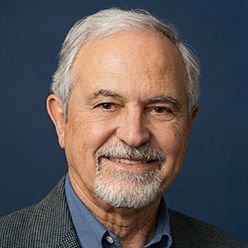
Phil Wilson:
Mike Perkins, welcome to the Left of Boom Show. Thanks so much for joining us.
Mike Perkins:
Phil Wilson, great to be here. Thanks for inviting me.
Phil Wilson:
Great to see you. Today we’re going to talk about performance feedback, and in particular the frontline supervisor’s role in performance feedback, which I know is a subject near and dear to both of our hearts. Before we get started, maybe talk a little bit about your career and how you got to where you are now, just so listeners can hear a bit of your journey.
Mike Perkins:
Happy to share that. I started in the legal world many years ago practicing employment law and eventually left to go work with a client in the employee management business, the professional employer organization business, where I learned a lot about hands-on, in-the-trenches management.
We managed employees for about 200 companies, with five to seven thousand worksite employees. I oversaw the HR, benefits, and safety functions there, which gave me the chance to get out of the law office and into the real world, particularly for small and mid-sized businesses.
After several years there, before going out on my own, I went to work for the rail division of Caterpillar. We had about 8,000 employees in 120 locations around the country in manufacturing, service, and technology. I had HR responsibilities for about half the country and also labor relations responsibilities. I was involved with the employee hotline, where people called with issues and concerns.
A lot of times I would go into a plant and serve as the HR manager while they were between managers or going through transitions. So I had a lot of hands-on HR experience, as opposed to my earlier days in the law office where we were just telling people what to do.
Phil Wilson:
And a lot of coaching of supervisors around day-to-day leadership, and also dealing with situations where supervisors didn’t provide good feedback and suddenly you’re in a disciplinary situation where someone has only received great reviews in the past. You’ve really seen both sides.
Mike Perkins:
Absolutely. I’ve seen every aspect of it. I’m a strong believer that the frontline supervisor is the most important company representative in a manufacturing environment, logistics environment, or really any environment. They’re the face of the company to employees. They have the most influence over whether employees have a good day, a bad day, whether they’re productive, engaged, and whether they want to stay.
That’s why I’m such a big advocate of training and supporting frontline supervisors to become better leaders.
Phil Wilson:
I completely agree. Culture is really that relationship between the frontline leader and the people they lead. Those daily interactions are the operationalization of culture.
Talk a bit about performance feedback. Whether it’s encouragement or coaching struggling employees, how important is the frontline leader?
Mike Perkins:
It’s incredibly important. If they’re not providing feedback, then who is? Peers, upper management, HR, someone else in the organization. Ideally, the frontline supervisor should be the primary person letting employees know how they’re doing and holding them accountable.
The challenge is that many supervisors are promoted because they were great operators or reliable employees, but they receive little to no training on how to manage people. They don’t understand the impact they have, positive or negative, or how to do performance management properly.
That’s why I’m a big fan of the Approachable Leadership training and philosophy you’ve developed. It teaches supervisors how to be accessible, interactive, and effective at feedback. When that’s missing, a lot of problems emerge.
Phil Wilson:
Promoting high performers isn’t bad, but if you don’t teach them how to coach, their expertise can become a liability. They end up frustrated and saying, “You don’t do it as well as I did,” instead of lifting the team.
Mike Perkins:
Exactly. Some people are natural leaders, but they’re the minority. Most high performers are good at teaching mechanics but struggle with low performers, perfectionists, or people who resist accountability. Without tools, they either delegate the problem to someone else or avoid it entirely, creating bigger issues.
Phil Wilson:
Let’s talk about what works. This series focuses on organizations coming out of union elections or major disruption. What should frontline leaders be trained to do around feedback?
Mike Perkins:
That year after a campaign is critical. I’ve lived through a long, divisive union campaign and then spent the next year repairing damage that had built up for years.
We focused on getting fundamentals right, policies, compensation, but most importantly communication. Helping supervisors improve one-on-one relationships. Coaching when there were problems, but also recognizing what was going well.
Encouragement is one of the greatest powers a supervisor has. A few words can make the difference between an engaged employee and a disengaged one.
Performance reviews as a once-a-year event are broken. Supervisors are not trained, they’re rushed, they rely on memory, and reviews are often tied to pay, which raises the stakes and distorts honesty. Employees stop listening and just wait for the number.
You need regular, candid, two-way communication. Monthly, weekly, or at least quarterly one-on-ones. Feedback should be ongoing, separate from pay discussions when possible.
Phil Wilson:
Feedback isn’t just for people who are failing. If you only focus on poor performers, you teach people that the way to get attention is to screw things up. Recognition should be frequent.
If you show people you believe in them, they often rise to meet that expectation.
Mike Perkins:
I completely agree. High performers need affirmation too. They want recognition just as much as anyone else.
Low performers need coaching. I believe in coach them up or coach them out, with the goal always being coach them up. If that fails, then stronger performance management is necessary because low performance drags everyone down.
Managers often ignore high performers, obsess over low performers, or avoid confrontation altogether. If supervisors don’t have the tools to hold people accountable constructively, problems grow.
Phil Wilson:
Avoiding accountability conversations prevents people from getting the feedback that might actually help them succeed.
Mike Perkins:
Exactly. Regular one-on-ones help you understand whether it’s a skill issue, a will issue, or something external. If we don’t know what’s going on with people, we can’t help them.
We spend a lot of money hiring and training employees. If we’re not willing to invest in helping them reach their potential, we’re wasting that investment.
Accountability also must be calm and deliberate, not emotional. Tone matters. If employees know you care and believe in them, they’re far more likely to improve.
Phil Wilson:
Accountability is a two-way street. Leaders provide clarity and support. Employees commit to change. Terminations should never be a surprise.
Mike Perkins:
Exactly. If performance issues were never discussed, termination feels like discrimination. When you do it right, even employees who leave sometimes come back years later and say it was the best thing that happened to them.
Phil Wilson:
For employers coming out of a campaign, what are the top priorities for frontline leaders?
Mike Perkins:
First, make sure you have the right people in the right roles. Some supervisors simply are not equipped to lead people.
Second, invest in training supervisors. Teach them the importance of approachability, regular feedback, encouragement, and the hero assumption. This 52-week period is the critical time to do it.
Phil Wilson:
Performance feedback should be happening all the time. Documentation should reflect the whole year, not just recent events.
Mike Perkins:
I agree. There’s no excuse for not having regular one-on-ones. Supervisors should be giving positive feedback far more often than corrective feedback.
Phil Wilson:
Mike, this has been great. Thanks for joining us.
Mike Perkins:
Thank you. Good to be back. Keep up the good work.
Phil Wilson:
Thank you.
In this episode of the Left of Boom show, Phil Wilson of LRI Consulting Services and Mike Perkins of Frontline HR discuss the critical role of frontline supervisors in providing performance feedback.
They explore the importance of training supervisors to effectively communicate with employees, the flaws in traditional performance review processes, and the necessity of regular feedback and encouragement. The conversation emphasizes the need for accountability, emotional intelligence, and the impact of positive reinforcement on employee engagement and workplace culture.
Takeaways
Chapters
00:00 Introduction to Performance Feedback
02:57 The Importance of Frontline Supervisors
05:51 Training Supervisors for Effective Feedback
08:56 Creating a Positive Feedback Culture
11:52 The Flaws in Traditional Performance Reviews
14:50 Regular Communication and Accountability
17:52 Encouragement and Recognition in Leadership
20:43 Handling Low Performers
23:54 The Role of Emotional Intelligence in Leadership
26:54 Final Thoughts on Supervisory Practices