
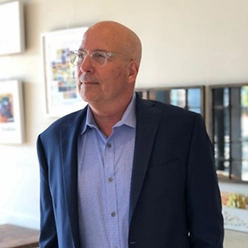
Phil Wilson (00:00)
Glenn Albom, welcome back to the Let the Boom Show. It’s great to see you. We talked about supervisors the last time that we were together. Today we’re going to talk about creating a net promoter culture, which is basically a culture where people feel engaged and promote the organization and feel like they’re working at an extraordinary workplace is kind of the way we like to talk about it. So tell me.
Glenn Album (00:03)
Great to be here. Thank you, Phil.
Phil Wilson (00:27)
First, what is being a net promoter culture and creating that kind of culture? What does that mean to you? And you’ve got a lot of experience in different kinds of high performing cultures. What are some of the things that you think the best cultures share?
Glenn Album (00:43)
Yeah, you know, I think, Phil, you can, the avenue to get to the culture you’re looking for could vary. But at the end of the day, think organizations are trying to drive both employee engagement and satisfaction, which we know ties tightly to performance of the organization. And then there are benefits that go beyond that when we talk about, you know, union avoidance, et cetera.
But as a starting point, it’s really about building advocacy inside the organization.
Phil Wilson (01:13)
Yeah. And when you say advocacy, explain a little bit, like, what do you mean? So I’m an engaged, satisfied employee. Like, what does advocacy mean?
Glenn Album (01:20)
You know, it really is somebody who feels proud to where they’re working and defends the organization and is very outspoken about, you know, why they like working where they work.
Phil Wilson (01:32)
Yeah, I like to think about it’s like a sports team, right? And you can disagree maybe with some of the things that are happening or you can maybe not like a play that was called or you can maybe not feel like somebody is performing as hard as they should. But that doesn’t become like, I don’t like this team. That becomes more of a
You know, this is a great culture. This is a great place to work. I can still hold you accountable. You can hold me accountable, but creating a place where, you know, the answer to anything you don’t like isn’t, well, this place sucks, right? The problem is, and especially it’s like the problem is those jokers upstairs. That’s when a culture really falls apart.
Glenn Album (02:17)
Yeah, I so agree with you. And to take it a step further, you really want to build this culture where people can kind of attack where the opportunities are and be critical in a constructive way, because at the end of the day, they want the company to be this really great place. so they’re comfortable speaking out.
but they’re always, always sort of watching the back of the company and really kind of advocating for it as a great place.
Phil Wilson (02:48)
Yeah. I mean, one of our core values is the, the, that you have healthy conflict, right? That you are, you know, we, encourage disagreement. If you disagree with something and you have an opinion that’s different than what’s being expressed in the room, like you’re expected to, to say that and, to challenge things that you don’t agree with. And, and, you know, the flip side of that is we trust each other and we know that those
Glenn Album (02:54)
Mm-hmm.
Phil Wilson (03:13)
Those challenges are not personal. Those challenges are not saying that the organization is bad. It’s just, I have a different opinion and we want you to express it. And then at the end of that discussion, then we come to an agreement and you might not even fully agree with the direction that we’re going to go, but we are all going to agree that we’re going to go that direction. And then you’re going to do your best to, to, to help us get there. ⁓ that to me, that’s kind of, and that that’s like right out of Lindsay Ony’s.
know, five dysfunctions of a team, but being able to sort of challenge each other is a really key part of a healthy culture.
Glenn Album (03:47)
So agree. You know, sometimes you think about the situation where people walk out of a meeting and then all of a sudden you overhear a conversation. That was ridiculous. Why, you know, why are we going? And what I love is when I hear a conversation like that, one of the parties saying, well, why didn’t you say that inside the meeting so we could talk about it? So this underground dissatisfaction could be very, very destructive.
Phil Wilson (03:57)
Mm-hmm.
Yeah. I agree with that. And, know, you should challenge somebody who says one thing and does another like that. That’s a low integrity move. And most of our organization, integrity is our top core value. And, and, you we really live by that, but that, but that’s, that’s a point where you can go like, that’s not how we do things here. Right. You are, you, you, you state your opinion and you, and you defend your opinion and then we will try to get to the very best solution. So that’s the, think that that’s good. So in, some of the, the high performing cultures that you’ve been in, what are, what are the sorts of things that you did? So that that’s usually part of the strategy, right? Like what are, what are some of the things that you’ve seen work well to create a net promoter culture like that?
Glenn Album (05:03)
Look, I think it really all starts with having a finger on your pulse, on the pulse. So I love the idea of surveys and whether they’re pulse surveys or somewhat more in depth. I hate long surveys. I think any survey that goes beyond 15 to 20 questions is like too much. But I love the idea of really surveying the population and realizing that you’ve got pockets that don’t necessarily feel the same.
Phil Wilson (05:07)
Mm-hmm.
Glenn Album (05:29)
So you might have one function within operations, maybe planning or logistics, supply chain, that feels great. They love their manage. Everything’s great. And then you could have another area within operations, maybe production, that’s very dissatisfied. So I love the idea of doing surveys, but the…
Phil Wilson (05:29)
Mm.
Glenn Album (05:46)
power is really debriefing and talking about the scores. And one of the tricks I learned when we debrief survey scores is to come in and say, look, out of a scale of 10, we scored a six on this. And somebody will say, well, I don’t feel that way. I don’t even think that’s true. So maybe that’s how you feel. But at the end of the day, let’s talk about why you think we got a six. Where are the opportunities? And try to latch on to one or two things you can do to kind
Phil Wilson (05:51)
Mm-hmm.
Glenn Album (06:16)
to move that score to a better place.
Phil Wilson (06:18)
I agree. think surveys, we, you we have an episode that’s on listening and we talked about surveys in that episode and surveys definitely have a place, but I totally agree with you. The, the magic and we’ll go to the net promoter idea in a second, but the magic isn’t necessarily the questions that you ask. have some favorite questions, but the key is what do you do with that feedback? And one of the problems with surveys is that, like you said, if they’re
If it’s a lot of questions, then there’s fatigue. If you’re only asking once a year, or I’ve had clients where we’ve gone in, they only do one like once every two years. Well, that’s not very helpful data after about a month. ⁓ So there’s a lot of kind of how do we do that? The thing that’s cool about Net Promoter, Net Promoter is this one simple question, which is based on your experience over whatever period of time. So based on your experience of the last 30 days,
Glenn Album (06:58)
Mm-hmm.
Phil Wilson (07:13)
Like how likely would you be to recommend us as a good place to work? And that’s a simple question. And basically you look at how many people rated us a nine or a 10, how many people rated us in the bottom half, and that gives you your Net Promoter score. And that’s a very simplistic thing, but it gives you a pulse. And it also then, to your point,
Glenn Album (07:19)
Mm-hmm.
Phil Wilson (07:39)
It gives you a starting point for a conversation. And I love what you said about, know, what, like, why are we a six? Another, another way I like to phrase that is like, why aren’t we an eight? Right? Like what, like what’s the, you know, what do we need to do to get to that eight level? So that, anyway, I think, I think that’s super helpful.
Glenn Album (07:58)
I love that.
And even, you score a nine. I love the question. All right, we scored a nine. What would it take to get to a 10? The end of the day, it’s the same powerful conversation of seeking to find something you can commit to that moves the organization to a better place.
Phil Wilson (08:01)
Yeah, for sure.
Yeah. And if you’re a department leader or, you know, a team, a supervisor of a team, you don’t have to have a fancy survey. You can get people into a room and go like, all right, everybody on a piece of paper, write down one to 10, you know, how likely are you to recommend this as a good place to work based on like the last month? And they can fill that out. And then you can have people show their pieces of paper and, and like you, you have the conversation, right? You you could do all of that right in a room and it doesn’t require fancy reporting or anything like that. And you get the value of that conversation.
Glenn Album (08:47)
awful and you know just not to go because I know we want to get more to the net promoter but I remember one time Phil where you know we took a survey was it a big company everybody would know the name if I said it and we scored low and the very senior executive called the meeting with sort of that next level and continued that began to really just you know rip this, are my top leaders. I look at your scores, they’re so low. So the other point is, you know, not to really get defensive, not to be judgmental, accepted for what it is, and then have really constructive conversations.
Phil Wilson (09:18)
Mm-hmm.
Yeah. And it’s also worth noting that that leader is like blaming all the people that they lead, right? It’s like, well, you might be pointing the finger at the wrong person or people here. Yeah.
Glenn Album (09:30)
Yep. Totally. Yeah. Totally. And they’ll probably get a good score next year, but it really won’t be a real one.
Phil Wilson (09:41)
Yeah, so true.
Well, so, you like surveying and kind of like getting a, getting a pulse, that’s kind of one key thing to this net promoter culture. What are some other things that you’ve seen work that, that, you know, get people engaged in a culture.
Glenn Album (09:58)
You know, I really do think that it starts with, and we talked a little bit about this last time, you know, talking about what you really want the culture to be, because culture should be purposeful, you know, fit for purpose. And so a culture of a defense.
Phil Wilson (10:09)
Mm-hmm.
Glenn Album (10:18)
company, right, that really works closely with the military, it probably should be somewhat different than the culture of an organization. Maybe that makes cookies. Perhaps or perhaps not, right? But in my opinion, culture should be for fit. And what are the behaviors that you’re really trying to drive that’s going to really lead to…
Phil Wilson (10:20)
Mm.
Glenn Album (10:39)
performance and engagement and satisfaction. So, you know, to me it starts with articulating and having conversations around what are the beliefs and values and what are the behaviors you hope to drive out of them. And that happens, it starts at the top, but that conversation needs to go through the entire organization.
Phil Wilson (10:59)
Yeah. I, I totally agree. We’re, did an earlier episode, not, not with you, but an earlier episode where we talked about like, what are the key motivators of folks that would motivate them to either think that a union is a good idea or kind of motivate them away from the idea of wanting representation. And I talk about, we boil that down into, and this is, you know, research from way, way back, but kind of based on Maslow, there’s the need for power or control. Like, do I feel like I have a say? Do I feel like my ideas and suggestions are listened to? Do I feel like if I have a concern, I could bring it up and someone’s gonna listen to it and try to fix it? Need for achievement or recognition. Am I recognized for the work that I do? Do I feel like I’m going someplace that I have a place here? And then the third one is need for affiliation.
And need for affiliation is, I feel like I belong here? You do I fit? And also do I feel like I’m working for a winning team? And so I, that prism, tell me a little bit about things that you’ve seen that work around. So, you know, achievement and development, uh, you know, team involvement and, getting people involved. And then also that sort of what’s our, why, you know, like why, why are we a winning team? What are some things you’ve seen work there?
Glenn Album (11:58)
Mm-hmm.
You know, I go back to and I think the piece that I have always found most successful is this sort of this pride in being proud and be a part of the organization. So it really starts with this notion of really instilling pride. And with that, when you feel proud, you are going to be quick to defend and quick to advocate for, you know, continuous improvement and getting better and better.
Phil Wilson (12:43)
Yeah. What about around achievement and recognition? What are some things you’ve seen work there?
Glenn Album (12:48)
Yeah, so I think, maybe I’ll start with recognition. You know, I have found from my experience that at times companies I’ve been with have leaned a little bit too far over to what was achieved from a metric perspective. And oftentimes not, you know,
And I’ve seen great years where the wind just happened to be at our back and there were, you know, all these tailwinds that caused us to have these great scores. And we did nothing different. Our strategies were fairly much the same and our commitment was the same. We had low scores. So I think over indexing on actual, you know, metrics and numbers is something when I build ⁓ award and reward systems, I try to really focus a little bit more on the how, right?
and making it because I feel like the how and the behaviors will ultimately get you long-term sustainable, strong performance. So, and then if I think about reward and award systems that I’ve had, it’s the simple ones, right? When they get too complex, they die under their own weight. ⁓ And so I think they need to feel somewhat organic.
Phil Wilson (13:56)
Mm-hmm.
Glenn Album (14:01)
And I love doing them in a manufacturing plant environment where there are hundred people sitting in each shift and the award, the person gets recognized for the right behaviors. And you know, you chose the right person because people just stand up and applaud. And if it’s quiet, you ask yourself like, how did that happen? So I would say, you I love the formal award.
Phil Wilson (14:14)
Yeah. Right.
Glenn Album (14:25)
and public recognition. And I think that people love having their pictures taken and holding the awards and telling their families more than the money that they may get, which I like to do some kind of token money with.
Phil Wilson (14:31)
Mm.
Yeah. I think I like peer recognition and I mean, like around here and we’re a small company, but we, try, you know, I said this last episode, but we drink our own champagne. we, yeah, we, we really try hard to make sure that we’re doing all the things that we’re telling everybody else to do. But a big part of our culture is that we, recognize each other. We, we do core value shout outs every week in our, in our all team.
Glenn Album (14:45)
Mm-hmm
Phil Wilson (15:08)
meeting where yesterday we had it and it took us like probably 10 minutes of everyone just sort of calling out individuals on the team that had done something that really represented our core values and helped out. A thing that I talk about in the approachability playbook is organizational citizenship behavior and recognizing when somebody does something that they didn’t have to do.
Glenn Album (15:27)
Mm-hmm.
Phil Wilson (15:32)
And it’s not like part of their job description, but they did it to try to make the work day just a little better for somebody. Calling those out, recognizing those, then sort of creates that positive flywheel, right? You’re going to be more likely to see opportunities to do it. You’re going to be more likely to step in and do it. Like those are simple things that really can transform a culture.
Glenn Album (15:38)
Mm-hmm.
I agree and nothing feels better than when a peer calls you out in a meeting and thanks you and recognizes you for something that you’ve done. You know, if I go back and, you know, because I don’t think the full equation of formal reward systems and award systems actually, but my experience is when they start with the peer, you know, nominations.
Phil Wilson (15:59)
Mm-hmm.
Glenn Album (16:17)
So, you know, so you’ve got peer nominations, they write up why they feel this person should be recognized and which value it aligns with. That becomes very powerful. And so I love the idea of peer recognition.
Phil Wilson (16:31)
Yeah, we, you know, we like what we do is really simple. And I, it’s, I, again, I would go back if you are a supervisor, you know, leading any team, you could be a CEO leading your leadership team, but really like putting in the meeting agenda, a spot for just doing that. It’s, it’s a simple thing to do. It’s super easy to just forget about it if it’s not like on the agenda. but that is a game changing.
And it just, you know, encourages that behavior over and over. Yeah. So that third motivator is, you know, need for power control. And here I think an important topic to discuss is, is, you know, working sort of like team projects or getting the team, you know, not, not just working on whatever their day to day work is, but on, you know, special projects and things like that. So maybe talk a little bit about where you’ve seen that work.
Glenn Album (17:01)
totally agree. I absolutely agree.
Well, I’ve seen it, you sometimes it’s a little self-serving, right? Because, you know, sometimes the senior part of the organization is very busy and they’ve got other priorities that they’re working on. So sometimes it just starts with, you know, looking for people who are excited about joining in on an effort. It almost always ends up with a much better product, which is sort of ironic, right? You know, so yeah, I can remember, I never really liked planning holiday, you know, celebrations. It’s just not in my makeup. And I would do it every year and I would dread it whether, you know, the different holiday coming up.
Phil Wilson (17:54)
Mm-hmm.
Glenn Album (18:01)
And finally somebody said, let’s put together a group of people, let them plan it this year. It was so, so successful. And it was no question in my mind that the people loved it getting involved. Similarly, much heavier than that, I’ve seen situations, and I’ll have to think about specifics, where there were real serious problems that needed to be solved. And…
Phil Wilson (18:12)
Hmm.
Glenn Album (18:25)
And you know, I’ll just talk about one, right? And it was at a food company and they were finding metal filings that were going into the product. Now, never reached the market because you have these metal detectors, but there were all sorts of experts brought in trying to figure out where it was gonna come from. Put a group of people around it and they started talking about where the possibilities could be. Funny enough, they didn’t solve it formally.
But what ended up happening was a maintenance person ended up, he was cleaning. It was actually more of a cleaning person. ended up, they were cleaning around. And you’re going to really laugh at this. It was one of those protective metal railings. And I remember like it was yesterday, four or five of us leaning on the railing saying, where could this come from? Where can this come from? Well, this really, you know, hourly, you know, entry level person was cleaning. And all of sudden he knew.
he noticed there were filings that were coming out of the base of the stand that we were leaning on. So you set up a project and the project ended up almost going viral. Everybody was trying to solve the problem. And if we had not set that team up to solve that problem, I’m not sure we would have ever found it. So it’s just interesting.
Phil Wilson (19:29)
Mm-hmm. Yeah. Yeah, it’s like the maintenance guy going, you mean these filings I’m having to sweep up every night?
Glenn Album (19:49)
Yeah, exactly. That’s exactly what happened. And we laughed in retrospect because we were literally sitting on top of the area that was the problem.
Phil Wilson (19:58)
Wow. Yeah. Well, you know there’s a lot of famous stories of things, you know, like that. There’s the, one of my favorites is the, and I can’t remember the hotel. It’s a hotel in San Diego, I think, but they, you know, had the famous elevator on the outside. And the story was they were trying to figure out how they were going to add a elevator to this hotel that had been around a long time. And they end up
Phil Wilson (20:25)
They’re talking about it and this janitor is overhearing that they’re going to like close the hotel down for months in order to sort of retrofit in an elevator. And he’s mostly thinking about what the hell am I going to be doing during these months that were closed? And he goes over and says, well, like, why don’t you guys just put the elevator on the outside? And, ⁓ and that’s what they did. And it was, it became like a landmark. I can’t believe I can’t remember the name of the hotel, but it’s
Glenn Album (20:46)
So. I love that. Yeah. Yeah.
Phil Wilson (20:53)
But that, you know, listening and making the space available, that was different than your situation, right? You actually invited employees to give their feedback. That was just lucky that he was there to overhear. But, you know, creating that space where people can contribute those ideas, the people that are closest to the work are going to know it the best. They’re going to think of things in a lot different perspective than someone who’s like assigning things off of a spreadsheet. It’s just so important.
Glenn Album (21:19)
Agree.
Phil Wilson (21:20)
I do think I’ll go ahead and just really quickly, if you are going to engage in a team effort at work, there are some legal boundaries and I’m not going to like go through all the specifics of that, but I, but if you are going to create teams to do projects, you have to be careful of not violating this, you know, deep in the weeds, horrible section of the app called eight, eight two. so just, just.
Glenn Album (21:26)
Mm-hmm.
Phil Wilson (21:44)
I’m going to leave it there. If you are going to engage teams in projects, make sure to speak to your labor council about sort of what are the boundary lines.
Glenn Album (21:52)
Agreed.
Yeah, I agree with that. And look, I would say being far from a union advocate, you know, it’s very hard for a union leader to, you know, sit there and say, you know, they don’t think it’s a good idea because at the end of the day, you know, it would be so hypocritical for, you know, people not to get the opportunity to help the business.
Phil Wilson (22:16)
Yeah. So going back to the beginning, you know, in this idea of a, you know, net promoter culture, one of the things that I talk about, right, is that you have to earn the privilege of working directly with your team, right? And if you ever get into a union campaign situation, one of the things that you’re going to say is, you know, that relationship that we have and the way that we solve problems, that
Glenn Album (22:30)
Mm-hmm.
Phil Wilson (22:42)
is going to change. You’re going to be represented by somebody and we are going to have an obligation to, to deal with them instead of dealing directly with you. And one of the points that I make about that is if you don’t already do all that stuff, like there’s an employee’s like, well, we don’t, we don’t have a direct relationship. Like why would I care if the direct relationship changed? Like you’re not doing any of that stuff. So I’m curious from your experience, what are,
What are some of the other ways, maybe two or three ways that, you know, the organization really like asked for and received input from team members and, and what was the impact?
Glenn Album (23:20)
Yeah. So look, I would, I think I’m really echoing one of the earlier points you were just making that when there is a campaign that starts, you know, I think one of the basic rules is you got to stay consistent. What you’ve done, what you’ve been doing all along is, know, you can generally continue doing. So, you know, I’ll start off with that.
Phil Wilson (23:30)
Mm.
Glenn Album (23:42)
You know, there’s this expression that says, when is the best time to plant a tree? Right? And they say, and the answer is five years ago, when’s the next best time? Today. Right? So a great place to start way before there’s any sign of any union activity, and it ultimately drives performance regardless, is now.
Phil Wilson (23:46)
Right.
Glenn Album (24:03)
right, sitting, building these teams, these cross-functional teams at every level of the organization and getting them involved in solving problems and helping to sort of influence and drive forward. So I think, you know, look, at the end of the day, that’s probably their most important thing. And then clearly, you know, we know the rules, right? Once there is a petition that’s filed and the petition is successful, it kind of changes the rules somewhat, but not entirely.
Right? And so, you know, as long as you keep doing what you’re doing, it’s more often than not going to be okay.
Phil Wilson (24:36)
Yeah. And just to build on that, you know, most, most of the folks that are going to be watching this series are, are coming out of an election, right? So you’re right. During the election period, there’s a lot of restrictions that an employer has because you can’t, you know, change something that could be seen as, an attempt to like bribe your employees, not to organize. Well, once that election has been certified, it kind of goes back to the
Glenn Album (24:45)
Mm-hmm.
Phil Wilson (25:02)
you know, it’s no longer this laboratory conditions period. and you can, you know, obviously you can continue doing things that you were doing before that work. Um, you can implement new things because now there’s not this risk of a charge that you’re trying to bribe employees not to organize. So you have the advantage of that, that you really have to take advantage of. And then the other thing, just like you said, if you do get into the future, God forbid into another like laboratory conditions period, the one protection that you have is you can keep doing the things that you have been doing. So you’re, you have a year now to sort of set the playing field for that. Yeah. What are those practices that we were already doing that we want to be able to keep doing? So you, you set those during the course of this year, if you do a good job of it, you’re also not going to have a union campaign a year from now, but like that’s really.
Glenn Album (25:53)
Great. Yeah.
Phil Wilson (25:55)
really important. thoughts on that.
Glenn Album (25:57)
Yeah, look, I think at the end of the day, know, what my experience is that once the campaign is over, right, and the election is over, sometimes that’s where the work has to start. And, you know…
I have experienced employees being so disappointed because we know oftentimes the organizers will be promising an awful lot, some things that they couldn’t deliver in the contract, but some things that they’re not going to be able to live up to just because they don’t have the time or the interest in staying as engaged as they were early on in the campaign. I do think it’s critically important to come back, to not be afraid to talk to employees about the work and in these, whether they’re pre-work huddles prior to the lines getting started up or post debrief, let’s talk about the day, what we did well, what we didn’t do well. Communication is just so, so important.
Phil Wilson (26:41)
Mm-hmm.
Glenn Album (26:51)
And we know when you’re not communicating properly, sometimes that’s when employees go to the union. And afterwards, you’ve got to kind of re-earn the trust of the employees at the end of the election.
Phil Wilson (27:03)
Yeah, for sure, for sure. Well, we’re getting close to time. This is sort of a wrap up, but I want to kind of go back to the net promoter idea. One of the things that’s, I’ll give one more tip on surveys, and then I want you to maybe finish up with, if I’m coming out of an election period, what are the two or three things that you would recommend I do first to create that net promoter culture?
Glenn Album (27:07)
Mm-hmm.
Phil Wilson (27:28)
But the, the other survey questions that I think, and again, these are super simple and it does not have to be done on a survey form. You could do it in that same meeting where I ask you to write one to 10 on a piece of paper. What’s your score? But that is what should we keep doing? What should we stop doing? And what should we start doing? You know, those are, those are very, very simple questions. You will get such rich suggestions and good ideas.
People will feel heard and listened to if you are taking action on those ideas, which obviously is really important. But you know, this doesn’t have to be complicated. I think we humans tend to like want to over complicate stuff like this. These very, very basic things. If you can just consistently do them and act on them, they will absolutely pivot ⁓ culture.
Glenn Album (27:55)
I agree. You know what’s so interesting, Phil, because when I first heard you talk about it within the context of sort of like the hourly workforce and labor, you know what struck me is I used to do that every year with the executive team and with the at each level and say, let’s look at past year. Now let’s look at what we have to accomplish this year. What should we really stop doing? What should we start doing? What are things we’re doing we need to continue and drive?
Phil Wilson (28:29)
Mm.
Glenn Album (28:41)
I love that conversation. It’s so simple and it’s so easy to get people talking when you bring that question up. So yeah, I think it’s great. And again, sometimes too, know this, Phil, this about sort of less formal conversations. It’s about the supervisor being present, talking with the people on the floor and saying, hey, you know.
Phil Wilson (28:44)
Mm-hmm.
Glenn Album (29:06)
It’s just how you’re feeling, how are things going? Is there anything that you think we should be thinking about doing less of, more of, et cetera? So I love those kind of conversations too.
Phil Wilson (29:17)
Yeah. And here’s a pro tip. You’re a supervisor and your team is the consumer of your leadership. Right. So don’t just have them rate the organization. Have them rate you like what what can I do to make your work better? Like what should I keep doing? Stop doing start doing, you know, based on my supervision of you over the last month, rate me one to 10. If you’re willing to have that conversation with your team.
Glenn Album (29:19)
Mm-hmm.
Yeah. Yeah, totally.
Phil Wilson (29:46)
You’re going to have great engagement. You’re going to learn some things and you’re going to be able to grow as a leader by doing that customer research. But that’s name of the game.
Glenn Album (29:58)
I love it, I love it. And say thank you, right? When that supervise, gets that feedback and you may not love it. I really appreciate your open and honesty and let’s see what I can do now to kind of improve on that.
Phil Wilson (30:01)
and say thank you, right?
Yeah. Any other like quick tips for a net promoter culture?
Glenn Album (30:13)
You know, I think the one thing that comes to my mind that I wanted to find the right place to talk about, and that is being super inclusive. Don’t find yourself with the one, two or three people that you just trust so closely and you’re just going to them all the time. Make sure that that conversation is happening very widely. One, because I think you get a very myopic perspective. Two is…
Phil Wilson (30:30)
Mm-hmm.
Glenn Album (30:39)
you could very inadvertently be helping a union organizer out because you can create a very easy handle if they know that, you know, Sally is somebody that’s so influential and the company goes to them all the time and they can move that needle, et cetera. I think there’s a level of caution, right? So I love the idea of spreading it out. Have people you trust, but also make sure that you are building that sort of net promoter all across the organization, not with a handful of people.
Phil Wilson (31:11)
Yeah, that’s great advice. I think that’s a great place to end, Glenn. So I wanna thank you again for joining us. You got a lot of great knowledge and experience in this area. And so I know people are gonna benefit from that. So thanks again for joining us and I’ll see you soon.
Glenn Album (31:14)
Mm-hmm. Yeah. Thank you.
Appreciate it.
Thank you. Take care everybody. Bye.
Phil Wilson (31:30)
Bye all
In this episode of The Left of Boom Show, Phil Wilson and Glenn Album explore what it takes to build a net promoter culture, one where employees actively advocate for the organization, challenge it constructively, and help solve real problems.
Rather than focusing on slogans or programs, the conversation centers on trust, inclusion, and everyday leadership behaviors that invite employees into ownership. A story from Glenn’s manufacturing experience illustrates the point. A complex operational issue was ultimately solved not by outside experts, but by a frontline employee who felt empowered to speak up.
The takeaway is straightforward and uncomfortable for some leaders. Cultures strengthen when organizations treat employees as partners in problem-solving rather than as passive recipients of decisions. When that happens, advocacy follows.
Key Takeaways
Chapters
00:00 Creating a Net Promoter Culture
01:06 Activating Employees as Advocates Through Trust and Inclusion